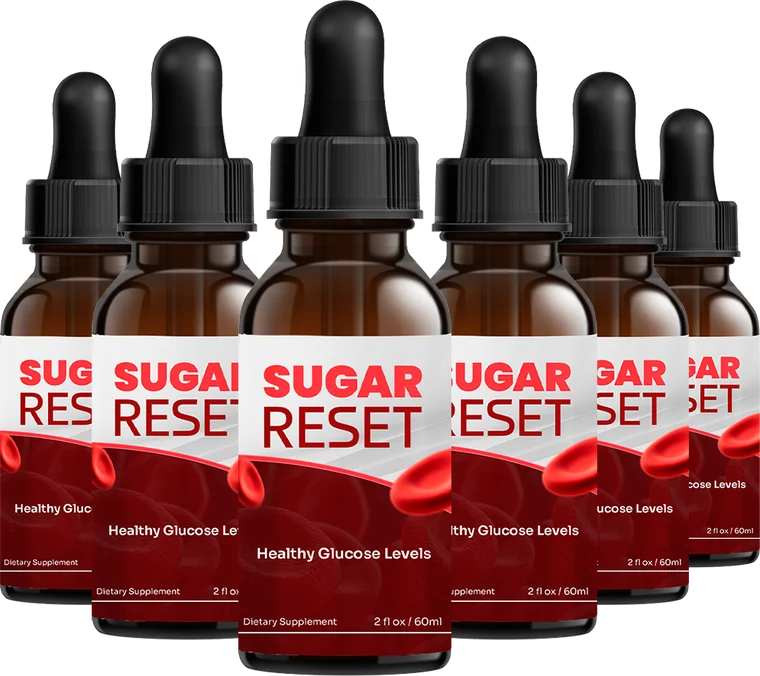
Chromium And Insulin Function: What The Research Actually Says
By the SugarReset Wellness Desk · · 6 min read
Chromium is an essential trace mineral involved in insulin signalling — the process that moves glucose out of the bloodstream and into cells.
The evidence for its role in normal metabolism is solid. The evidence that supplementing it produces dramatic results in people who are not deficient is considerably weaker.
What chromium does in the body
Chromium is a trace mineral, meaning the body needs it in very small quantities. Its recognised role is in carbohydrate and lipid metabolism, where it appears to enhance the action of insulin.
The practical version: insulin is a signal, and cells have receptors that receive that signal. Chromium is involved in making that signalling work efficiently. When it works well, glucose moves out of the bloodstream and into tissue where it is used or stored.
The NIH Office of Dietary Supplements maintains a consumer fact sheet on chromium that is worth reading directly — it is short, free and considerably more measured than most supplement marketing.
Where you already get it
Chromium is present in a wide range of ordinary foods: broccoli, whole grains, potatoes, green beans, meat, and brewer’s yeast. Frank chromium deficiency is rare in people eating a varied diet, which is an important piece of context.
It matters because the strongest results in chromium research generally come from populations with low intake. In people who are already adequately supplied, adding more has a much less dramatic effect — which is what you would expect from a nutrient rather than a drug.
Picolinate versus other forms
Chromium picolinate is chromium bound to picolinic acid. The binding improves absorption relative to some inorganic forms, which is why it appears so often in supplements including SugarReset’s ingredient list.
Other forms exist — chromium chloride, chromium polynicotinate, chromium-enriched yeast — with differing absorption profiles. Picolinate is the most common choice in commercial formulas.
What the evidence supports, and what it does not
Well supported: chromium is essential, it participates in insulin signalling, and it is required for normal carbohydrate metabolism. None of that is controversial.
Mixed and inconsistent: whether chromium supplementation meaningfully improves glucose control in people who are not deficient. Study results vary considerably, and reviews generally conclude that effects are modest at best and inconsistent across populations.
Not supported: claims that chromium reverses insulin resistance, replaces medication, or produces rapid weight loss. Marketing sometimes stretches this far. The evidence does not.
How much, and the upper end
Adequate Intake figures for chromium sit in the region of 20–35 micrograms daily for adults, varying by age and sex. These are small amounts — micrograms, not milligrams.
Chromium from food has no established upper limit and toxicity from diet is not a practical concern. Supplemental doses used in research have generally been well tolerated, though as with any supplement more is not better and the label amount is the sensible ceiling.
Why its separate declaration matters
In SugarReset, chromium picolinate is declared on its own with a stated weight while the other twenty-two ingredients sit inside a proprietary blend. That is worth noticing: it means chromium is the one amount you can actually verify from the label rather than infer.
Whether that amount is meaningful is a separate question, and one you can answer yourself by comparing the declared figure against the intake ranges above. We wrote about why proprietary blends make this harder in proprietary blends explained.