Post-Meal Blood Sugar Spikes: Why They Happen And What Helps
By the SugarReset Wellness Desk · · 7 min read
A rise in blood sugar after eating is normal — what matters is how high it goes and how quickly it comes back down.
The habits that flatten that curve are unglamorous and well established: what you eat with your carbohydrates, the order you eat them in, and what you do in the twenty minutes afterwards.
What actually happens after you eat
Carbohydrates in a meal are broken down into glucose, which enters the bloodstream. Your pancreas responds by releasing insulin, and insulin acts as the signal telling muscle, liver and fat cells to take that glucose in. Blood sugar rises, then falls back toward baseline as the glucose is absorbed and stored or used.
In someone with healthy glucose regulation this whole process is fairly quiet. Levels typically peak somewhere around an hour after eating and are heading back down by the two-hour mark. You do not feel it happening.
What people describe as a ‘spike’ is when that curve becomes sharper — a faster climb, a higher peak, and often an overshoot on the way down that leaves you flat, foggy and hungry again far sooner than the meal size would suggest.
Why some meals hit harder than others
The carbohydrate itself
Not all carbohydrates behave the same way. Refined ones — white bread, most breakfast cereals, fruit juice, anything built on white flour or added sugar — are broken down quickly because the fibre and structure that would slow digestion has been removed. Whole grains, legumes and vegetables release glucose more gradually because that structure is still intact.
What you eat alongside it
This is the lever most people underuse. Protein, fat and fibre all slow gastric emptying, which means the same amount of carbohydrate arrives in the bloodstream over a longer window. A slice of toast on its own and a slice of toast with eggs and avocado are not the same event, even though the bread is identical.
The order you eat things in
Eating vegetables and protein before the starch portion of a meal produces a measurably flatter curve than eating the same food in the reverse order. It costs nothing and requires no change to what is on the plate — only the sequence.
Sleep and stress the night before
This one surprises people. A short night raises next-day glucose responses to identical meals, and stress hormones raise blood sugar directly. If your readings look worse after a difficult week despite eating exactly as usual, this is usually why. We covered that mechanism in more detail in stress, cortisol and blood sugar.
Six habits that flatten the curve
1. Add protein or fat to every carbohydrate. Never eat a carbohydrate naked if you can help it. Nuts with fruit, eggs with toast, yoghurt with granola.
2. Eat the vegetables first. Free, effective, requires no willpower beyond remembering to do it.
3. Walk for ten to fifteen minutes after eating. Contracting muscle takes up glucose without needing insulin at all. A short walk after your largest meal is among the most effective single habits available.
4. Do not drink your carbohydrates. Liquid sugar arrives fast because there is nothing to digest. Juice, sweetened coffee and soft drinks are the sharpest spikes most people encounter.
5. Prioritise sleep. Not a diet intervention, but it affects glucose handling more than most dietary tweaks.
6. Be consistent rather than perfect. One high-carbohydrate meal in a week of reasonable eating matters far less than a pattern.
Where a supplement fits — and where it does not
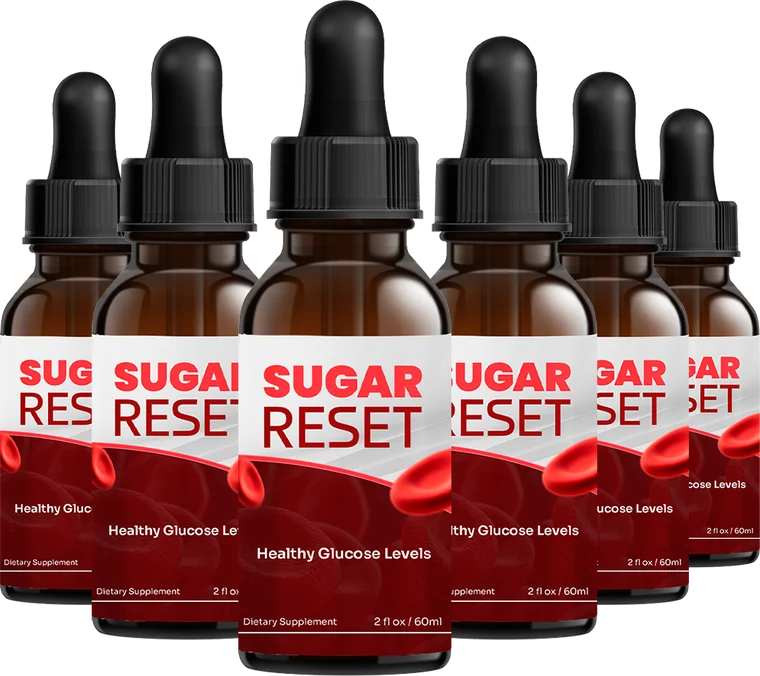
Nutritional support formulas such as SugarReset supply nutrients involved in glucose metabolism — chromium for insulin signalling, botanicals such as Gymnema for carbohydrate handling, adaptogens for the stress pathway. That is genuine nutritional support and it is worth understanding on its own terms.
What it is not is a substitute for the six habits above. No supplement outperforms the combination of what you eat, how you sequence it, and whether you move afterwards. A formula complements those things; it does not replace them, and anything marketed as though it does is overselling. See how SugarReset works for the mechanism detail.