How To Choose A Blood Sugar Supplement: Eight Practical Checks
By the SugarReset Wellness Desk · · 7 min read
The blood sugar supplement category is crowded, and the difference between products is usually found on the label rather than in the marketing.
These eight checks take about ten minutes and will tell you more than an hour of reading review sites.
1. Read the supplement facts panel before anything else
Skip the headline, skip the testimonials, go straight to the panel. Everything that matters is there and nothing on it is marketing.
Look at what is declared individually with weights versus what is grouped in a blend. Note the serving size and the number of servings per container, which is how you calculate real cost per day rather than cost per bottle.
2. Do the blend arithmetic
If there is a proprietary blend, divide the total weight by the number of ingredients. That gives you the average amount and immediately tells you whether research-level doses are even arithmetically possible.
Remember that ingredients are listed in descending order by weight, so the last few are getting very little indeed. Full method in proprietary blends explained.
3. Check the two or three ingredients that actually have evidence
In this category the ones with a meaningful research base are chromium, gymnema, berberine, cinnamon and alpha-lipoic acid. Green tea has broader metabolic evidence.
If a formula’s ingredient list is twenty items of which none appear in that group, the length of the list is not doing you any favours. Our pieces on chromium and gymnema cover what the evidence supports.
4. Look for the claims that should end your evaluation
Certain phrases indicate a product marketed outside the rules. ‘Reverses diabetes’, ‘replaces your medication’, ‘cures insulin resistance’ and ‘doctors don’t want you to know’ are all disqualifying.
Legitimate supplement marketing uses structure-function language: supports, helps maintain, contributes to. That restriction exists because dietary supplements are not permitted to claim they treat disease. A company ignoring it is telling you how much attention it pays to rules generally.
5. Check where it is made and under what standards
Look for manufacture in an FDA-registered facility under GMP procedures. Note the distinction carefully: facility registration is not product approval. Dietary supplements are not FDA-approved and any site implying otherwise is being slippery.
Third-party testing is a genuine plus when present, though it is uncommon at this price point.
6. Read the guarantee properly
Check three things: the length, whether it requires returning bottles, and who processes it.
Sixty days is a sensible minimum, because nutritional support of this kind is realistically assessed over two to three months. A thirty-day guarantee expires before you could reasonably judge the product, which tells you something about how it is expected to be used.
7. Calculate the real cost per day
Bottle price divided by servings per bottle. Then compare that number, not the bottle price, across products — serving sizes vary and a cheaper bottle with fewer servings often is not cheaper.
Multi-bottle bundles usually offer the better per-unit price, which suits a product intended for months of consistent use anyway.
8. Check the interactions against your own medicine cabinet
This is the check people skip and the one that matters most. Ingredients that support lower blood sugar compound the effect of glucose-lowering medication. Grapefruit compounds interfere with how the body metabolises a broad range of prescription drugs. Licorice derivatives can affect potassium and blood pressure.
Photograph the label and show it to your doctor or pharmacist. It takes five minutes at an appointment you already have.
Applying the checks
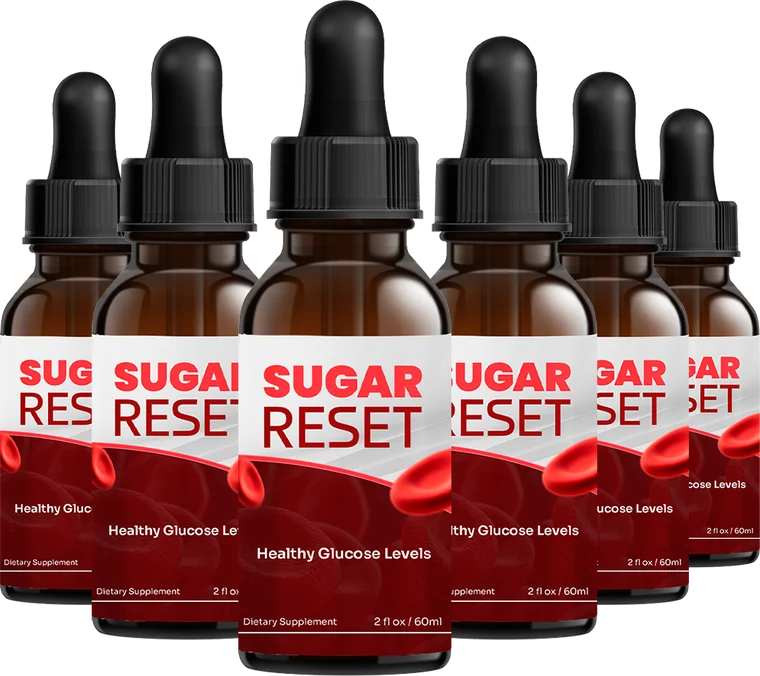
Run these eight against any product, including the one this site covers. SugarReset passes on manufacturing standards, guarantee length, evidence-backed ingredients present and marketing language. It is weakest on check two, where 22 ingredients share 200 mg — which we set out plainly in our full review.
That is how the checks are meant to work. No product passes all eight perfectly. The value is in knowing exactly where a product is strong and where it is not, rather than being told it is flawless.